
National Kidney Month starts March 1st, and there’s no better time to learn about how chronic kidney disease (CKD) affects the body. One thing worth noting is the impact CKD has on your ears.
Let’s look at how the kidney and hearing systems work and how they interact to help you protect your ear health.
The Hearing and Kidney Systems
Your hearing system consists of three main parts: the outer ear, the middle ear and the inner ear. Each part of the system sends noise, like the rustling of leaves in Valley Falls Park, to your brain. The inner ear houses the cochlea, a spiral-shaped, fluid-filled organ lined with thousands of tiny hair cells that convert sound vibrations into electrical signals the brain interprets as specific sounds. Those tiny hair cells are extremely sensitive to the chemical balance in the surrounding fluids. When something disrupts their environment, they can bend or die, leading to permanent hearing loss.
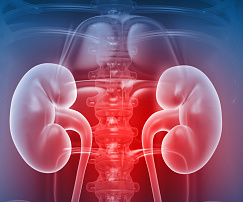
The kidney is an organ that filters blood to remove toxic waste and balance your body’s fluids. Part of your urinary system, you have one kidney on either side of your spine. Chronic kidney disease, kidney infections and kidney cysts are among the most common conditions that interfere with the normal functioning of these organs.
How Does Kidney Disease Impact Your Ears?
A 2023 review examined the relationship between CKD and inner ear hearing loss. It listed a few different ways CKD can impact your ears:
- Uremia (toxic buildup). When CKD prevents the kidneys from filtering blood effectively, the inner ear’s environment can become toxic, leading to the death of the cells responsible for transmitting sound.
- Fluid shifts and electrolyte imbalances. Fluid shifts or electrolyte imbalances in the ear can interfere with cochlear function. These shifts and imbalances can result from the disease itself or from treatments like hemodialysis and kidney transplantation.Your risk of hearing loss may increase in correlation with the duration of dialysis treatment and the advancement of CKD.
- Comorbidities. CKD can lead to or increase your chance of conditions that may raise your risk of hearing loss, including vitamin D deficiency, hypertension and high serum urea levels. Changes in the peripheral and central nervous systems from CKD may also affect hearing.
- Ototoxic drugs. Ototoxic drugs are any medications that can harm the inner ear. Two ototoxic CKD medications include aminoglycosides and loop diuretics.
- Genetic causes. Some genetic conditions, like Alport syndrome, can simultaneously cause hearing issues and CKD.
CKD patients have a higher incidence of inner ear hearing loss than their counterparts without the disease. Because CKD increases your risk of permanent hearing loss, early CKD treatment and frequent hearing tests are crucial. While we may not be able to reverse inner ear hearing loss, we can help you manage it with hearing aids.
Call Sound Advice Audiology today to schedule your test with one of our specialists.