
Getting your driver’s license at 16 is an amazing feeling. You get to hit the open road, drive to all your favorite spots around Manchester and enjoy the taste of freedom. If you’re among the 15% of U.S. adults with hearing loss,[1] you might worry that the condition prevents you from enjoying all the fun that driving offers. Luckily, that isn’t true.
Hearing loss doesn’t mean that you must give up the keys to your car; it only means that you must employ a few extra safety checks. Let’s look at a few below to help you enjoy your time on the road without worrying about your safety.
1. Wear Hearing Aids
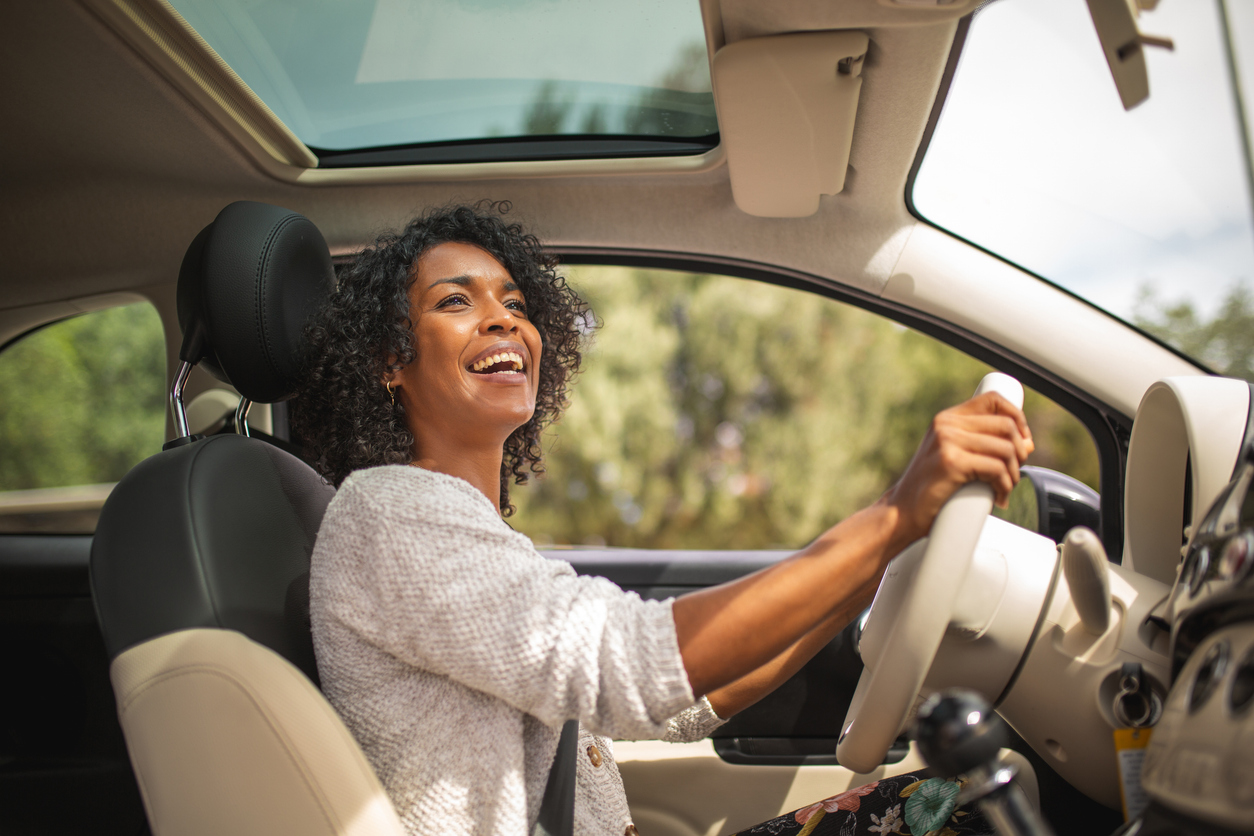
Hearing aids are your number one tool for safe driving. These technologically advanced devices amplify sound to alert you to honking cars, shouting pedestrians, sirens and other noise-related driving warnings. Before you turn on the ignition, check that your hearing aids are properly placed and charged.
2. Keep Your Eyes Peeled
It might sound obvious to say “Keep your eyes peeled when you’re driving,” but staying alert to visual information is even more important when you have hearing loss. If you’re taking a long trip, you’re especially vulnerable to highway hypnosis, the glazed-over feeling when you can’t remember how long you’ve been driving. To help keep yourself alert, regularly check your mirrors and road signs. The simple act of moving your eyes will keep your brain engaged and increase the likelihood that you’ll catch visual alerts, like pedestrians or flashing sirens, early.
3. Limit Distractions
Your music, phone and even passengers can easily distract you from driving. To give driving your full attention, put your phone away in the glove compartment, lower your music and ask passengers to talk quietly so you can focus.
4. Ask for Help
If you’re driving with a passenger, ask them to alert you to sounds you may have missed. For example, they can let you know when they hear a siren, giving you enough time to pull over safely. You can also ask your passenger to check your route and give directions, so you don’t have to check your GPS frequently.
By following the above tips, you can start every journey with confidence. For more information on how to manage hearing loss on the road, or to schedule a hearing aid appointment, contact Sound Advice Audiology today.
[1] National Institute on Deafness and Other Communication Disorders. (n.d.). Quick statistics about hearing loss. https://www.nidcd.nih.gov/health/statistics/quick-statistics-hearing